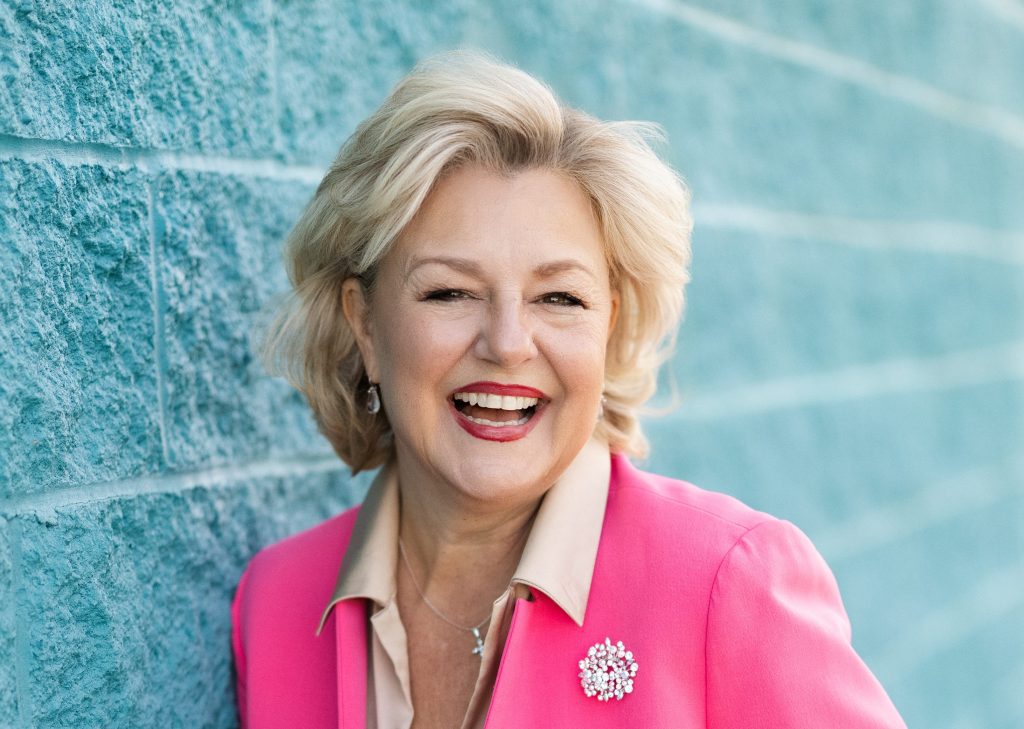
TEDxDuluth speaker Kelly Jahner-Byrne is a best-selling author, seasoned speaker, and lifelong Minnesotan who blends humor, directness, and warmth to get people moving past fear into real action. Her talk centers on how decisions – not just intentions – create momentum, clarity, and confidence, especially when imposter syndrome is whispering that you do not belong.
From Imposter Syndrome to Taking the Stage
Kelly traces her TED journey back to a 14‑minute talk she once watched on imposter syndrome that was “funny, humorous, interesting – and real.” She recognized the same doubts in her own audiences: that nagging “imposter monster” feeling of “How did I get here?” that research suggests it affects most people.
She works with franchisees, women’s groups, business audiences, and at her own HOW Conference, always returning to a core message: fear and doubt are usually not a lack of talent, but a lack of action. Applying to TEDxDuluth, getting rejected multiple times, and applying again became her own proof that action beats paralysis – even when the email says, “We have gone in another direction.”
Decisions Are Cumulative
Kelly’s framework is built around momentum, clarity, confidence, and action. She agrees that growth is not a single dramatic leap but “a hundred decisions spread across your months and years,” and she adds a key twist: decisions are cumulative.
Her TEDxDuluth talk will open the day – literally the first talk on the program—making her message about that first bold step a fitting launch for everything that follows. She jokes that she’ll either set “a really great limbo bar to walk under or step over,” but her real goal is simple: a few raised eyebrows, some laughs, sincere applause, and people feeling genuinely inspired to move.
Connection as the Real Outcome
Although her talk is about action, Kelly returns again and again to connection as the deeper point. She hopes attendees will:
- Come with an open mind, open heart, and “open contact book.”
- Meet new people: students, business leaders, emerging speakers. Then create relationships that extend beyond the event.
- Use the unscripted moments between talks as much as the talks themselves: those hallway conversations where future internships, collaborations, or friendships begin.
Kelly believes humans “now more than ever” need to be in connection with other humans, not just with their screens. She sees TEDxDuluth as a place to lean on and lean into one another, remembering that “we’re more alike than we are different” and that most of us want the same basic things.
Networking on Purpose: PSA and the Three P’s
Kelly is practical about networking; she wants people to arrive with a plan, not just drift. Her favorite tool is the simple PSA:
- P – Plan: Who do you need to meet personally? Who do you need to meet professionally?
- S – Serve: Who did you just meet that you could introduce to someone else, showing you are a giver, not only a taker?
- A – Action: Follow up. Send the email, schedule the coffee, and ask for the informational interview. “The fortune is truly in the follow-up.”
She pairs PSA with the three P’s for in‑person events: pockets, pen, phone.
- Free your hands (pockets) so you can actually shake someone’s hand and appear open.
- Carry a pen to jot notes on a business card if you don’t have your own.
- Use your phone sparingly as a tool for contacts—not for scrolling.
On TEDxDuluth day, she suggests treating your phone like a secondary tool: keep it away unless you are exchanging information. Scrolling at an event like this, she argues, is “missing the boat” compared to engaging with the humans in front of you.
Managing Your Phone, Protecting Your Focus
Kelly has a self-described “love–hate” relationship with her phone. As a speaker, coach, publisher, and conference host, she can literally work from anywhere on it—but she has learned that if you do not manage your phone, it will manage you.
Her own habits include:
- Putting the phone out of sight during meetings and Zoom calls so notifications do not pull her attention.
- Leaving it alone on Sundays and treating it as a tool, not a human.
- Signaling respect in person by saying, “Let me just shut this off and put it away so I can focus,” which instantly changes the tone of the interaction.
When someone leaves their phone buzzing on the table, she sees it as a subtle message that the device is competing with the person in front of them. For her, a strong connection requires eye contact and undivided attention; the phone can wait.
“You Don’t Need a New Year, Just a New Morning”
Kelly’s closing message is about hope and timing. By early February, many people have already drifted from their New Year’s goals, but she reminds them: “You don’t need a new year, you just need a new morning.”
Most life‑changing decisions are not made on January 1; they happen on some ordinary date that later becomes meaningful. Her advice for TEDxDuluth attendees:
- Decide what you want to get out of the day – learning, a new contact, a fresh sense of direction.
- Show up ready to listen, connect, and act.
- Extend “an extra helping of grace” to others and yourself, especially in a tense political and cultural climate.
Kelly is excited about the future, especially for young people, and sees events like TEDxDuluth as places where ideas, opportunities, and relationships intersect. She hopes that people leave not only with inspiration, but with concrete next steps – and a few new names in their contact list to walk alongside them as they take action.
Watch the full interview here.
 TEDxDuluth
Leave a comment