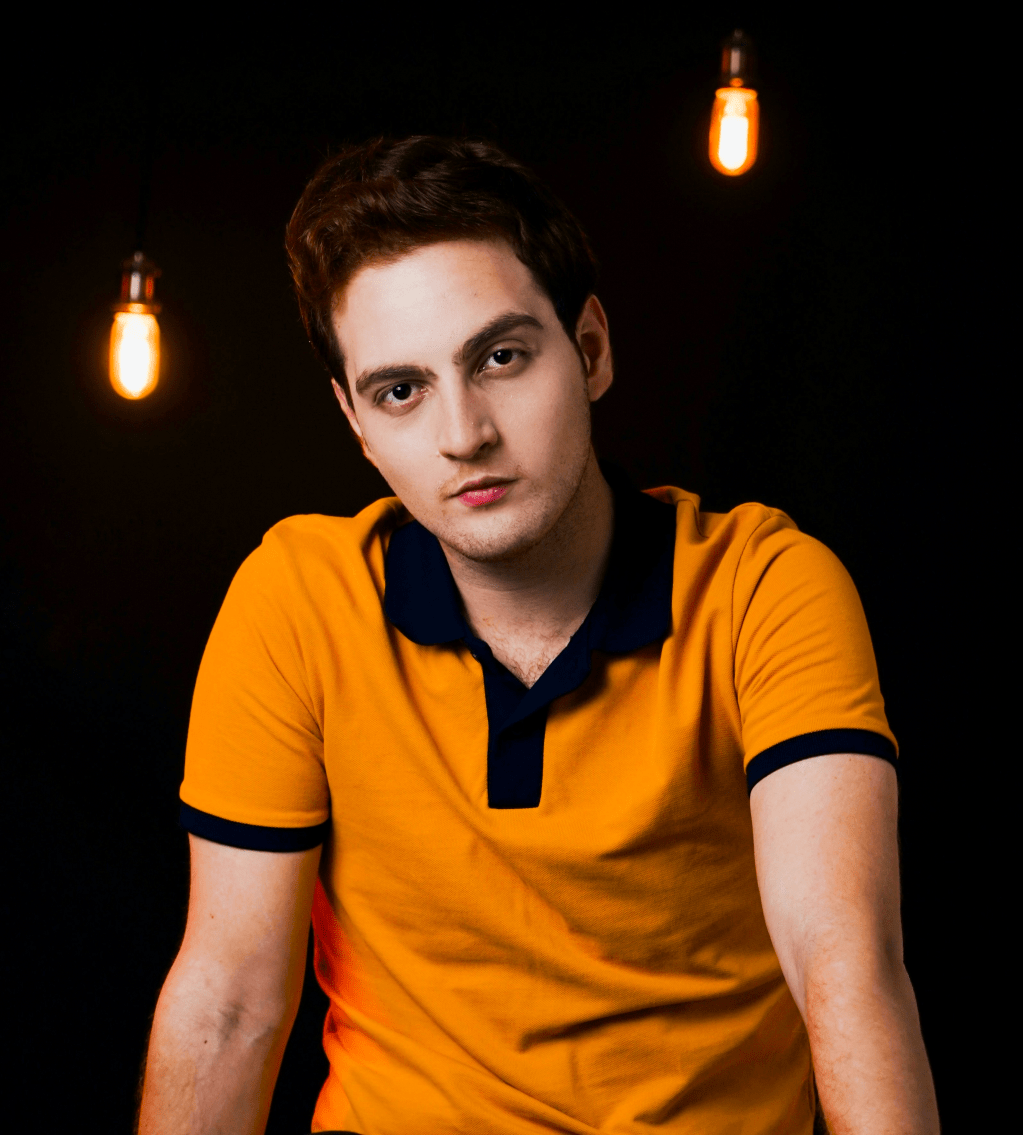
TEDxDuluth speaker Daud Khan brings a thoughtful, quietly curious energy to the stage. A recent St. Cloud State University graduate in engineering management and a program manager in healthcare, he talks about transition not as a one‑time event, but as a way of moving through life with openness and intention.
Bridging Business and Engineering
Daud began his academic journey in business administration, studying accounting, project management, entrepreneurship, and innovation. When it came time for graduate school, he did not want to repeat the same content in a standard MBA; he wanted technical skills without having to become a pure engineer.
Engineering management caught his attention because it bridges business and engineering:
- It is not heavily mathematical like a traditional engineering degree.
- It is not purely theoretical like much of business school.
- It blends technical understanding with business acumen and opens doors to roles in operations, supply chain, process improvement, and management.
Choosing Flexibility Over Specialization
A core theme in Daud’s story is his belief in flexibility. As a child, his ambitions bounced from astronaut to teacher to politician to doctor before he landed in business, and that early restlessness eventually became a deliberate strategy.
He pushes back on the criticism of being “Jack of all trades, master of none.” In his view:
- Having multiple competencies gives you options when one field becomes saturated or unstable.
- A broader skill set reduces direct competition with thousands of people all chasing the exact same job.
- Flexibility lets you pivot between roles – operations manager, supply chain analyst, process engineer, program manager – rather than getting stuck in one narrow track.
For Daud, engineering management was never about a single, rigid career path; it was about building a toolkit that keeps him adaptable.
Starting From Scratch in a New Country
Daud’s TEDxDuluth talk focuses on his experience of arriving in the United States and discovering that this was not a short trip, but the beginning of a new life chapter. Everything was unfamiliar: the people, the systems, the weather, the social norms.
He describes several layers of adjustment:
- Climate: Coming from a country where winter temperatures hover in the 70s and 80s (and rarely drop below the 50s), Minnesota’s cold and snow were a shock. The milder winters of 2023 to 2024 gave him time to acclimate before facing heavier snow more confidently later.
- Independence at home: Back home, having house help from people who handle laundry, dishes, cleaning, driving, and gardening is common. In Minnesota, he did those tasks for the first time, moving from “comfort zone” to self‑sufficiency until laundry and basic cooking became routine instead of foreign.
- Food: He missed the Pakistani cuisine and found only a few Asian restaurants nearby, settling for simple “survival cooking” while his cravings gradually eased as he focused more on health, diet, and the gym.
Perhaps the hardest transition, though, was homesickness and building a new social world. In Pakistan, staying out late with friends or striking up conversations with strangers is normal; in Minnesota, he found people quieter and more contained within established friend groups. There were moments when he questioned whether he had made the right decision and considered going back, wrestling with fears about failure, jobs, and uncertainty.
From Uncertainty to Stability
Despite those doubts, Daud’s story is one of gradual stabilization. After completing 30 credit hours in his master’s program, he landed a full‑time job as a program manager at a healthcare company.
He loves that his work lets him help people and “give back to society” while using the mix of technical and managerial skills he set out to build. The job is also a concrete example of the flexibility he values: an engineer by degree, working in healthcare operations rather than a traditional engineering sector.
Faith, Nonfiction, and Seeing the Bigger Picture
Daud’s outlook on transition is deeply connected to his spirituality and his reading habits. He considers himself religious, but emphasizes that his beliefs come not from blind faith alone but from extensive reading in nonfiction, especially science, physics, human history, and philosophy.
Thinking about the vastness of the universe and the nature of time helps him reframe his own problems as “this tiny,” making life’s transitions feel more manageable and reminding him that “what’s meant for us always finds a way to us” as long as we keep trying.
Fiction does not appeal to him much; he respects those who enjoy it, but his curiosity pulls him instead toward frameworks that help him question systems, notice overlooked details in daily life, and see his own journey in a wider context.
Traveling Solo and Learning to Belong
Before moving to the U.S., Daud had already traveled solo to several countries, seeking out conversations and cultural experiences rather than just tourist sights. He prefers solo travel because it gives him independence: he can linger where he wants, follow his own curiosity, and fully absorb local cultures.
That traveler’s mindset – observing, asking questions, and adapting – has shaped how he approaches his life in Minnesota. Over time, the new country feels less alien, chores have become normal, and Minnesota winters no longer seem impossible. His talk traces this arc from uncertainty to a sense of belonging, and how everyday transitions – learning laundry, navigating a new city, managing homesickness – add up to a much larger transformation.
What to Expect at TEDxDuluth
On the TEDxDuluth stage, Daud will share a personal, grounded look at transition from home to abroad, from student to healthcare program manager, from comfort zones to cold climates and unfamiliar cultures. His goal is not to present a grand theory, but to show how embracing flexibility, staying curious, and trusting that effort plus faith will carry you forward can help anyone move through life’s changes with a little more courage and perspective.
Listen to the full interview here.
 TEDxDuluth
Leave a comment