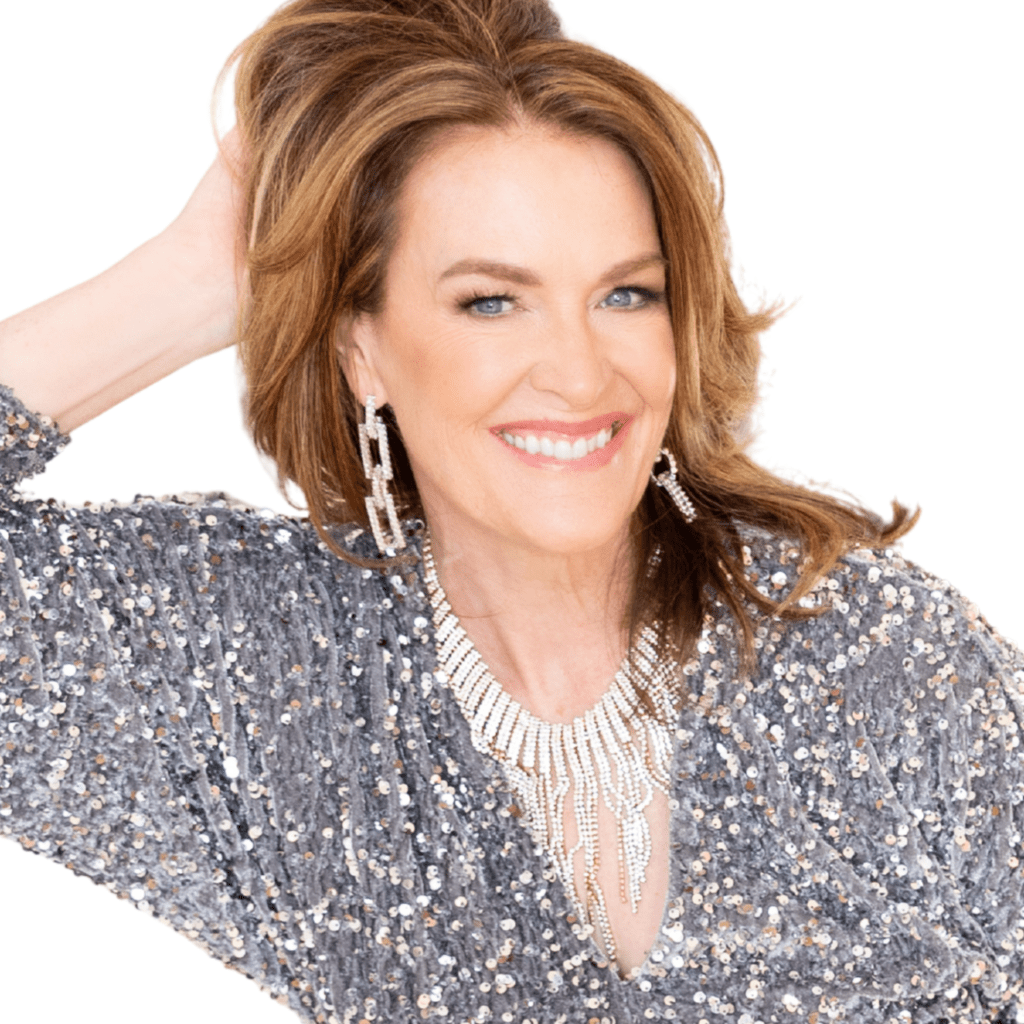
TEDxDuluth speaker Heather Poduska brings the energy of a seasoned performer and the grounded wisdom of someone who has lived many creative lives. An operatic and cabaret vocalist who coined her own DIVA mindset, she talks about presence, artistry, and agency with the ease of someone who has been on stage – literally and figuratively – since childhood.
From Gospel Grooves to German Opera
Heather’s musical story started in a small-town church with a surprisingly bold music program. By age 13 or 14, she was the church pianist in an all‑woman musical team that jammed out gospel tunes for Sunday morning services.
As a senior in high school, she earned a competitive congressional scholarship to Germany – not for music, but for an exchange focused on politics and government. Even so, she found a touring opera singer at a U.S. Army base in Karlsruhe and rode the train there for voice lessons, deepening her classical training while meeting Bundestag members and learning how another country funds and values the arts. She saw her first opera in Germany and discovered how “you sneeze and hit a theater” in places where opera and classical music are heavily supported.
Why the Arts Matter More Than We Admit
Heather is unapologetically passionate about the importance of the arts. She points out that European countries like France and Germany invest public money in opera and theater, helping keep tickets affordable and houses full for world‑class performers like Renée Fleming and Thomas Hampson.
To anyone who treats art as a luxury, she offers a simple thought experiment:
- Imagine the pandemic with no recorded entertainment – no streaming, no silly videos, no playlists.
- Imagine weddings, Super Bowls, or funerals with no music, no performances, no shared creative expression.
Music, she argues, is woven into every major moment where humans grieve, celebrate, and remember. It sets the tone, moves the body, and helps people process feelings that words alone cannot reach.
The Voice as an Athletic Instrument
Heather talks about singing with the same seriousness an Olympic coach might use for elite athletes. Classical singing is highly technical and intensely physical: the entire body becomes the instrument, coordinating muscles, bones, and breath so the voice can be both strong and free.
Key aspects she highlights:
- Operatic singers must project over full orchestras or fill large halls with no amplification, even on very soft notes.
- Technique is about organizing the body so some areas hold the right tension while others, like the throat, stay relaxed.
- Life constantly interferes: sleep, food, weather, arguments, illness, and parenting can all affect the voice.
Her own career has meant balancing real life with vocal care, sometimes joyfully passing on late nights to protect a performance, and other times choosing to live fully and accept the tradeoffs. She has grown to deeply respect other styles too from rock, pop, and musical theater recognizing they require different but equally demanding techniques and forms of storytelling.
Redefining “Diva” as Power and Poise
The word diva has a complicated reputation, especially for women, often used to dismiss someone as difficult or demanding. Heather has spent years reclaiming and reframing it through her “Diva Life Show,” where she interviews musicians, designers, conductors, luxury experts, and more, and always ends with one question: What does diva mean to you?
The answers have helped shape her own DIVA mindset:
- A diva is not about tantrums; it is about being fully embodied and powerful in your own life.
- A true diva believes they deserve a big life and knows they can pursue it without harming others.
- One response she loved: “A diva never rushes.” A diva doesn’t scramble; she enters the room knowing things will get done and that she has her own back.
For Heather, this mindset is especially potent with age. She describes it as one of the blessings of getting older: becoming less rigid, more appreciative of different paths, and more committed to moving through the world with a kind of calm, earned authority.
How Music Shapes Mood, Identity, and Growth
Heather sees music as both vibration and environment; something that literally resonates in the body and quietly shapes how people move through the world. She notes that everything we surround ourselves with art on the walls, people we spend time with, shows we watch, playlists we keep, feeds the brain and emotions.
In her own life:
- She uses different playlists for running and lifting weights, choosing tracks that either push her hard or keep her steady, depending on what she needs.
- She is intentional about when to lean into sad songs to access buried feelings, and when to avoid music that would drag her mood down.
- She sees music as a tool for processing emotions, especially for people who struggle to feel fully present with their own sadness, joy, or grief.
At the same time, she is careful to emphasize boundaries, especially when listening to what her kids have on; sometimes the healthiest choice is to say, “I can’t listen to that right now.”
Developing the DIVA Mindset
Heather talks openly about how her own perspectives have evolved over time. She used to be more “snobbish” about classical technique, assuming it made other styles trivial by comparison. Trying to sing in other genres herself changed that, as she realized how hard it is to move convincingly between opera, musical theater, and lighter styles.
This shift mirrors a broader kind of maturity:
- Recognizing that what is “best” in art is often subjective and contextual.
- Appreciating passion and craft wherever they appear, whether that is in a perfectly spun aria, Willie Nelson’s gravelly storytelling, or Axel Rose welcoming us to the jungle.
She sums up one of her favorite lessons from her father, now 98 and a lifelong runner: “The slowest guy in the race is faster than the critic screaming from the sidelines.” For Heather, that quote captures both the DIVA mindset and her own path—keep showing up, keep moving, and let the critics sit in the stands while you live the life that is actually yours.
What to Expect at TEDxDuluth
On February 6th, Heather will dive deeper into the DIVA mindset: where it came from, how tension and technique shaped her career, and how anyone, not just performers, can claim a more powerful, embodied role in their own life. She will explore what it means to stop rushing, own your presence, and own your “instrument” with intention and flair.
Here is a link to the full interview.
 TEDxDuluth
Leave a comment