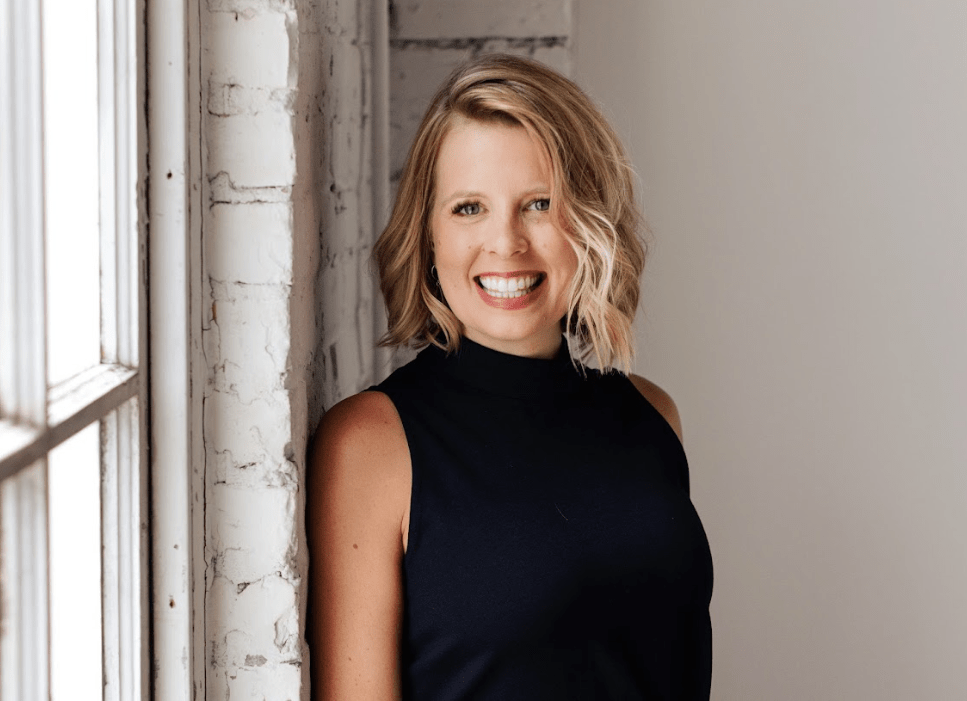
TEDxDuluth speaker Bree Johnson wants people to stop treating burnout and workplace harm as “just part of the job” and start seeing them as signals that something deeper needs attention. Drawing on 15 years inside the legal world and now as an entrepreneur and CEO, she helps people separate who they are from what they do – and build healthier relationships with work.
From “Recovering Employment Lawyer” to Work Recovery
Bree is an attorney by training who jokingly calls herself a “recovering employment lawyer” after allowing her law license to lapse. She spent years in C‑suite roles, founded her own employment law firm, and handled daily intake calls from people reporting workplace harm – often 10 to 15 calls a day with the same painful patterns.
Over time, she realized the traditional legal system was mostly reactive, stepping in only after damage was done. Her current work shifts to a proactive approach she calls work recovery: helping people prevent “work wounds” when possible and heal them when they appear, so they are not reliving the same toxic patterns every few years in a new job.
You Are Not Your Job
One of Bree’s core insights is about identity. She describes how deeply her own sense of self became tied to the label “lawyer” and how disruptive it felt internally to walk away from that title.
From childhood, many people are asked over and over, “What do you want to be when you grow up?” a question that subtly trains us to believe “I am what I do.” Bree’s philosophy pushes back on that:
- What you are is separate from what you do.
- Your worth is not determined by your role, title, or output.
- Untangling identity from work creates a protective barrier against deep work-related harm.
She emphasizes that this separation is not about disengaging from meaningful work, but about refusing to let your entire self rise and fall with your job.
Micro Breaks, Nervous Systems, and Real Rest
Bree talks about the power of micro breaks – short, intentional pauses that are not just “phone scroll time.” She points to research showing that non‑scroll breaks help reset the nervous system and improve mental and physical health, regardless of job type.
She encourages people to:
- Use small gaps in the day (between calls, before meetings, during lunch) for grounding activities like walking, breathing, or reading something nourishing.
- Notice how often breaks default to numbing behaviors like social media rather than true recovery.
For herself, Bree has a non‑negotiable daily 60‑minute walk, regular meditation, and daily breathwork practice, and she notices a real difference in clarity and focus when weather or life interrupts those routines.
Beyond Hustle Culture: Human-Centered Work
Bree is candid about the limits of current “wellness at work” trends. She sees many corporate wellbeing programs as thinly veiled productivity tools: framed as caring for employees, but designed primarily to squeeze more output from the same hours.
Her alternative vision:
- Put human experience at the center and trust that better wellbeing naturally supports better work, rather than the other way around.
- Empower individuals to reclaim small pockets of time for themselves without always justifying it by business benefit.
- Recognize that humans are not “widgets” on an assembly line; the industrial‑era model of managing people with stopwatches does not fit a modern, service‑ and knowledge‑based economy.
As AI and automation accelerate, Bree believes being deeply and fully human critical thinking, creativity, emotional awareness will be what truly sets people apart.
Work, the Future, and Holding Your Ground
Looking ahead, Bree expects major shifts in how societies define and structure work, from four‑day work weeks and improved parental leave in some countries to intensified “hustle culture” and return‑to‑office mandates in others. She notes that some envision a future where working becomes more like gardening, something some people do and others do not and warns that social systems will need to adapt to avoid widening poverty and health inequities.
In that uncertainty, she sees work recovery as a kind of root system: a way to build inner resilience and clarity so people can navigate rapid change without losing themselves. The stronger those internal roots, the more capacity someone has to shape systems rather than be crushed by them.
Go Behind the Scenes
If you want to hear Bree expand on that “work might become like gardening” idea and how AI, social safety nets, and human-centered workplaces could reshape our future watch the full, unfiltered Zoom conversation here: Link to Full Zoom Clip.
 TEDxDuluth
Leave a comment